
Ube vs Taro: Clearing Up the Confusion
If you've found yourself standing in the specialty foods aisle wondering whether that vibrant purple powder is ube or taro, you're not alone. These two remarkable root vegetables have been causing delightful confusion among food enthusiasts and health-conscious consumers alike. Today, we're clearing up the mystery once and for all, so you can make informed choices for your culinary adventures and wellness journey.
Before you begin, you can now find all of our UBE products from United Kingdom by clicking here:

What Is Ube? The Filipino Purple Yam That's Taking the World by Storm 🌟

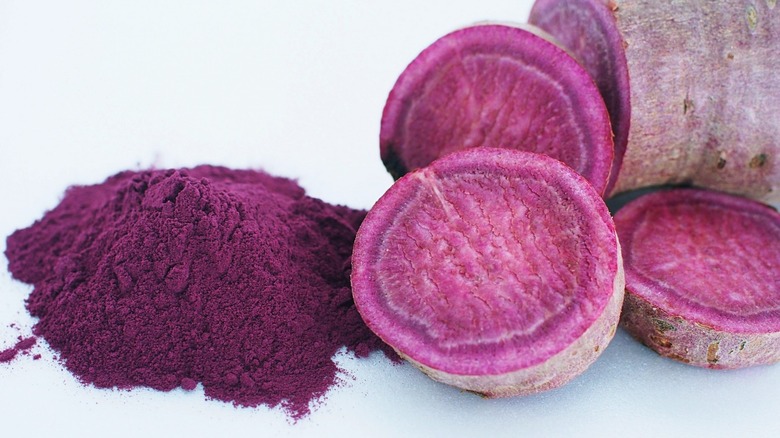
Ube (pronounced "OO-beh") is a vibrant purple yam native to the Philippines, scientifically known as Dioscorea alata. This stunning root vegetable has been a beloved ingredient in Filipino cuisine for centuries, but it's recently gained international recognition for its incredible color, unique flavor, and impressive nutritional profile.
When you choose authentic ube powder, you're selecting a superfood that offers a naturally sweet, nutty flavor with subtle vanilla undertones. The gorgeous purple hue isn't just for show – it indicates the presence of powerful anthocyanins, the same antioxidants found in blueberries and other purple foods.
Key Characteristics of Ube:
- Origin: Philippines
- Color: Deep, vibrant purple
- Flavor: Sweet, nutty, with vanilla notes
- Texture: Creamy when cooked
- Scientific name: Dioscorea alata
Understanding Taro: The Asian Root Vegetable Classic 🥔
Taro, scientifically known as Colocasia esculenta, is a starchy root vegetable that has been cultivated across Asia, Africa, and the Pacific Islands for thousands of years. While taro can have purple varieties, it's more commonly found in white, cream, or light purple shades.
The flavor profile of taro is distinctly different from ube – it's more earthy, nutty, and less sweet, with a texture that's often compared to potato when cooked. Taro has earned its place as a staple ingredient in many Asian cuisines, from bubble tea to traditional desserts.
Key Characteristics of Taro:

- Origin: Southeast Asia (widely cultivated globally)
- Color: Usually white/cream, sometimes light purple
- Flavor: Earthy, nutty, mildly sweet
- Texture: Starchy, potato-like
- Scientific name: Colocasia esculenta
The Great Color Confusion: Why People Mix Them Up 🤔
The primary source of confusion between ube and taro stems from their purple varieties. However, experienced chefs and ingredient enthusiasts can easily distinguish them:
Ube's purple is consistently deep, vibrant, and almost electric in its intensity. This natural coloring remains stable even after processing into powder form.
Taro's purple (when present) tends to be lighter, more muted, and often appears as streaks or patches rather than uniform coloring.
Nutritional Benefits: Why Both Deserve a Place in Your Pantry 🌱
Ube Nutritional Advantages:
Antioxidant Powerhouse: The deep purple color of ube indicates high levels of anthocyanins, which support cellular health and may help protect against oxidative stress.
Vitamin C Boost: Ube contains significant amounts of vitamin C, supporting your immune system and skin health.
Fiber-Rich: Excellent source of dietary fiber, promoting digestive wellness and helping you feel satisfied longer.
Potassium Content: Supports heart health and proper muscle function.
Taro Nutritional Benefits:
Complex Carbohydrates: Provides sustained energy release, making it an excellent choice for active individuals.
Vitamin E: Supports skin health and acts as a natural antioxidant.
Magnesium: Essential for bone health and muscle function.
B-Vitamins: Supports energy metabolism and nervous system function.
Culinary Applications: How to Use Each in Your Kitchen 👩🍳
Ube Powder Uses:
Your ube powder opens up a world of culinary possibilities:
- Desserts: Create stunning purple ice cream, cakes, and pastries
- Beverages: Blend into smoothies, lattes, and bubble tea
- Breakfast Items: Mix into pancakes, waffles, or overnight oats
- Traditional Filipino Treats: Make authentic halo-halo or ube halaya
Taro Applications:
- Savory Dishes: Use in curries, stews, and roasted vegetable medleys
- Asian Desserts: Perfect for traditional sweet soups and puddings
- Bubble Tea: Creates the classic taro flavor many love
- Chips and Snacks: Ideal for homemade healthy chips
Flavor Profiles: What to Expect When You Cook 👅
Understanding the distinct flavors helps you choose the right ingredient for your culinary goals:
Ube offers a naturally sweet experience with complex notes of vanilla and nuttiness. When you use quality ube powder, you'll notice how it enhances both sweet and mildly savory applications without overwhelming other flavors.
Taro provides a more subdued, earthy sweetness that works beautifully in both sweet and savory contexts. Its neutral flavor makes it an excellent base ingredient that adapts to the flavors you pair with it.
Quality Matters: What to Look for When Shopping 🛒
Choosing Premium Ube Powder:
When selecting your ube powder, prioritize these quality indicators:

- Pure Ingredients: Look for 100% ube with no artificial colors or additives
- Vibrant Color: Authentic ube powder maintains its natural purple hue
- Fine Texture: Quality powder should be smooth and easy to incorporate
- Sealed Packaging: Proper packaging preserves freshness and nutritional value
Taro Selection Tips:
- Freshness: For fresh taro, choose firm roots without soft spots
- Powder Quality: Taro powder should have a neutral aroma and consistent texture
- Source Reliability: Choose suppliers known for authentic Asian ingredients
Storage and Shelf Life: Maximizing Your Investment 📦
Proper storage ensures you get the most value from your purple root vegetable powders:
For Ube Powder:
- Store in a cool, dry place away from direct sunlight
- Use airtight containers to prevent moisture absorption
- Properly stored ube powder maintains quality for 12-18 months
- Refrigeration can extend shelf life in humid climates
For Taro Products:
- Similar storage requirements as ube powder
- Fresh taro should be used within a week of purchase
- Taro powder has comparable shelf life when stored properly
Health Considerations and Dietary Compatibility 🏥
Both ube and taro offer excellent options for various dietary needs:
Naturally Gluten-Free: Both ingredients are safe for those avoiding gluten
Vegan-Friendly: Perfect for plant-based diets and lifestyle choices
Paleo-Compatible: These whole food ingredients fit well into paleo eating plans
Low Glycemic Options: When consumed in moderation, both provide steady energy
Making the Right Choice for Your Needs 🎯
Choose Ube When:

- You want vibrant, natural purple coloring
- Creating sweet applications and desserts
- Seeking unique Filipino flavors
- Looking for higher antioxidant content
Choose Taro When:
- You prefer more subtle, earthy flavors
- Making both sweet and savory dishes
- Following traditional Asian recipes
- Want versatile, neutral-tasting ingredients
Embrace Both for Culinary Excellence 🌟
Understanding the differences between ube and taro empowers you to make informed choices that enhance your cooking and support your health goals. While these purple powerhouses each bring unique benefits to your kitchen, there's no reason to choose just one.
Whether you're drawn to ube's vibrant color and sweet complexity or taro's versatile earthiness, both ingredients offer exceptional nutritional value and culinary potential. By investing in quality powders and understanding their distinct characteristics, you're equipped to create memorable dishes that nourish both body and soul.

Ready to experience the difference for yourself? Explore our premium selection of authentic ube powder and discover why discerning home chefs choose quality ingredients for their culinary adventures. Your taste buds – and your family – will thank you for the upgrade! 💜
👉Order your 100% natural organic ube powder at ube.co.uk
👉 Explore our healthy recipes and join the community of ube enthusiasts!
👉 Subscribe to our newsletter to receive our ube tips and inspiration every week.


