
Ube vs Açaí: What Are the Main Differences?
When it comes to natural, plant based ingredients that deliver both vibrant colour and genuine nutritional value, ube powder and açaí powder are two names that come up again and again. Both have earned a loyal following among health conscious consumers, bakers, and smoothie lovers, yet they are quite different in origin, flavour, colour, and everyday use. In this article, you will discover exactly how ube and açaí compare, so you can choose the ingredient that best suits your recipes and your goals.
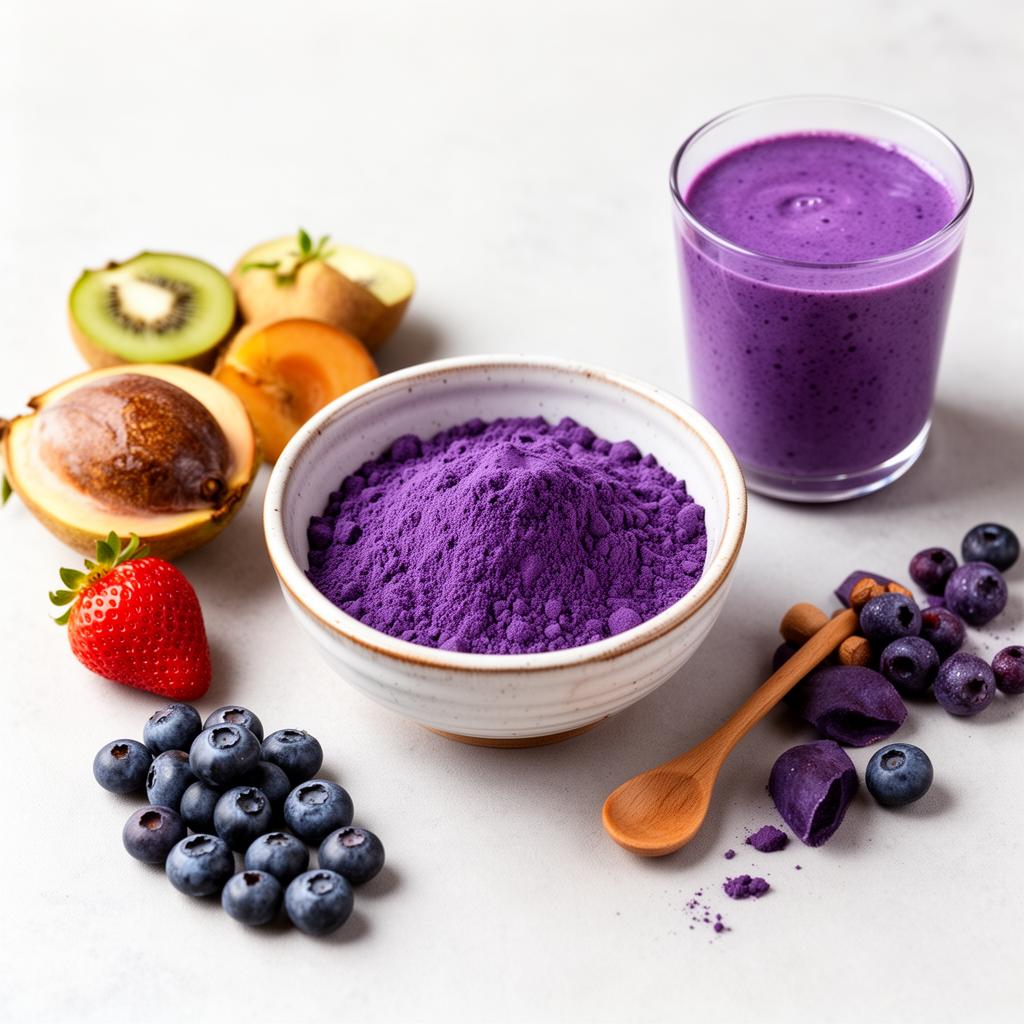
Before you begin, you can now find all of our UBE products from United Kingdom by clicking here:

What Is Ube Powder? 💜
Ube is a vibrant purple yam native to the Philippines, treasured for generations for its naturally rich violet colour and its subtly sweet, vanilla like flavour. Once dried and ground into a fine powder, ube becomes a wonderfully versatile ingredient that you can use in desserts, baked goods, drinks, and even savoury dishes.

The striking colour of ube comes from anthocyanins, natural plant pigments also found in foods such as blueberries and purple cabbage. These compounds are well known for their antioxidant properties, meaning that ube offers far more than a beautiful colour. It brings genuine nutritional value along with a naturally sweet taste.
Why Bakers and Chefs Love Ube
- It creates a deep, consistent purple colour without artificial additives
- It has a subtly sweet, delicate flavour that enhances both sweet and savoury dishes
- It blends smoothly into batters, doughs, and creams without altering texture
- It remains stable when exposed to heat, making it ideal for baking
What Is Açaí Powder? 💚
Açaí is a small, dark purple berry that grows on açaí palm trees in the Amazon rainforest. Long valued by local communities for its nutritional density, açaí has become a global superfood staple, most commonly found in smoothie bowls, juices, and health focused snacks.
Once freeze dried and ground into powder form, açaí retains much of its natural colour and nutritional profile. Its pigment comes primarily from anthocyanins as well, similar to ube, though the resulting shade and flavour experience are quite distinct.
Why Açaí Is a Popular Choice
- It delivers a deep purple to almost blackish colour, closely associated with smoothie bowls and health foods
- It has a distinctive, slightly tart and earthy flavour reminiscent of berries
- It is widely recognised as a nutrient dense superfood, rich in antioxidants
- It works particularly well in cold recipes such as smoothies, juices, and no bake treats
Ube vs Açaí: Key Differences to Consider 🔍
1. Colour Range
Although both ube and açaí fall within the purple colour family, the shades they produce are noticeably different. Ube tends to create a brighter, more playful violet or lavender tone, especially when used in lighter bases such as cream, batter, or icing. Açaí typically produces a deeper, darker purple that can lean towards a dusky or almost black shade, particularly when used in concentrated form.
If your recipe calls for a soft, elegant purple, such as ube flavoured cake or lavender toned pastries, ube will give you the result you are after. If you are creating a smoothie bowl or health focused dessert where a deep, moody purple is desired, açaí is likely the better fit.
2. Flavour Profile
Flavour is one of the clearest points of distinction between these two ingredients.
Ube offers a naturally sweet, nutty, vanilla like flavour that enhances the overall taste of a dish. This makes it particularly popular in desserts, where it contributes both colour and flavour in a single ingredient.
Açaí, by contrast, has a more tart, earthy, and slightly berry like flavour, often compared to a mix of blackberries and dark chocolate with a subtle bitterness. This flavour works wonderfully in smoothies and superfood bowls, but it is quite different from the mellow sweetness of ube, and may not suit every recipe in the same way.
3. Culinary Applications
Ube's mild, sweet flavour and heat stability make it highly versatile across a wide range of applications, including cakes, breads, ice creams, pastries, and even some savoury dishes. It performs well whether baked, boiled, or used raw.
Açaí is most commonly used in cold or minimally processed recipes, such as smoothie bowls, juices, energy balls, and raw desserts. Its distinct tart flavour and its typical preparation as a frozen pulp or powder make it especially well suited to fresh, chilled dishes rather than baked goods.

4. Nutritional Benefits
Both ube and açaí are valued for their nutritional properties, though their specific benefits differ slightly.
Ube is rich in:
- Antioxidants (anthocyanins)
- Complex carbohydrates for sustained energy
- Vitamin C and potassium
Açaí is rich in:
- Antioxidants (anthocyanins and polyphenols)
- Healthy fats, including monounsaturated fats
- Fibre
Your choice may depend on which of these nutritional profiles best complements your personal health goals, alongside the flavour and colour you are hoping to achieve.
5. Availability and Format
Ube powder is typically sold as a fine, dry powder that is easy to store, measure, and incorporate into recipes with a long shelf life. Açaí is often available both as a freeze dried powder and as a frozen pulp, with the powder form offering similar convenience and shelf stability to ube.
Which One Should You Choose? 🤔
The right choice ultimately depends on the type of recipe you are creating and the outcome you want to achieve.
You should choose ube powder if:
- You want a bright, elegant purple or lavender colour
- You are creating baked goods or recipes involving heat
- You prefer a naturally sweet, mild flavour
- You want a versatile ingredient suited to both sweet and savoury dishes
You should choose açaí powder if:
- You want a deep, dark purple colour
- You are creating smoothies, juices, or raw superfood recipes
- You enjoy a tart, berry like flavour
- You are focused on a specific nutritional profile linked to healthy fats and fibre
Many health conscious cooks and bakers keep both ingredients in their pantry, using each one where it naturally shines. Together, ube and açaí allow you to explore a wonderful range of natural purple tones and flavour experiences, all without relying on artificial additives.
Why Choose Natural Ingredients Over Artificial Additives? 🌱
Whether you choose ube or açaí, opting for a natural, plant based ingredient brings genuine advantages. Both allow you to avoid artificial colourings and additives that many consumers now prefer to limit in their diets. They also contribute real flavour and nutritional benefits, something synthetic alternatives simply cannot offer.
By incorporating ube or açaí into your recipes, you are embracing a clean label approach to cooking and baking, while still achieving beautiful, vibrant results that will impress anyone who sees, and tastes, your creations.
Final Thoughts 🍽️
Ube and açaí each bring something unique to your kitchen. Ube offers a bright, elegant purple palette with a naturally sweet, mild flavour and excellent heat stability, making it ideal for baking and a wide variety of dishes. Açaí delivers a deep, dramatic purple with a tart, berry like flavour, perfectly suited to smoothies and raw superfood recipes.
Rather than viewing them as competitors, consider these two ingredients as complementary tools that expand your natural colouring and flavouring possibilities. Whichever you choose, you can feel confident that you are adding both colour and genuine nutritional value to your dishes, without compromising on quality or peace of mind.

Ready to bring the beautiful shades of ube into your kitchen? Explore our premium ube powder and discover just how easy it is to create vibrant, naturally coloured dishes your family and guests will love. ✨
Ready to begin your ube ice cream adventure? Start with quality ingredients, follow our proven recipe, and prepare to enjoy one of the world's most beloved frozen desserts in the comfort of your own home. Your taste buds and your guests will thank you for the effort.
👉 Order your 100% natural organic ube powder at ube.co.uk
👉 Explore our healthy recipes and join the community of ube enthusiasts!
👉 Subscribe to our newsletter to receive our ube tips and inspiration every week.


