
Ube vs Blueberries: Which Is More Nutritious?
Ube and blueberries share more in common than you might expect. Both are naturally purple, both owe their vibrant colour to the same family of antioxidant compounds, and both have earned a well deserved reputation as nutrient dense superfoods. But when it comes down to it, which one offers more nutritional value? In this article, you will discover how ube and blueberries compare, so you can make an informed choice about which ingredient best supports your health and your recipes.

Before you begin, you can now find all of our UBE products from United Kingdom by clicking here:

What Is Ube? 💜
Ube is a vibrant purple yam native to the Philippines, cherished for its naturally rich violet colour and its subtly sweet, vanilla like flavour. Traditionally used in Filipino desserts, ube has grown into a global favourite, now found in cakes, ice creams, drinks, and pastries around the world. Once dried and ground into a fine powder, ube becomes an easy, versatile ingredient for both sweet and savoury recipes.

Ube's deep purple colour comes from anthocyanins, natural plant pigments known for their antioxidant properties. As a root vegetable, ube also brings a solid foundation of carbohydrates, fibre, and essential micronutrients to your diet.
Why Ube Is Considered Nutritious
- It is rich in anthocyanins, antioxidant compounds associated with helping protect cells from oxidative stress
- It provides complex carbohydrates, offering a steady, sustained source of energy
- It contains dietary fibre, which supports healthy digestion
- It supplies vitamin C and potassium, both important for everyday wellbeing
What Are Blueberries? 🫐
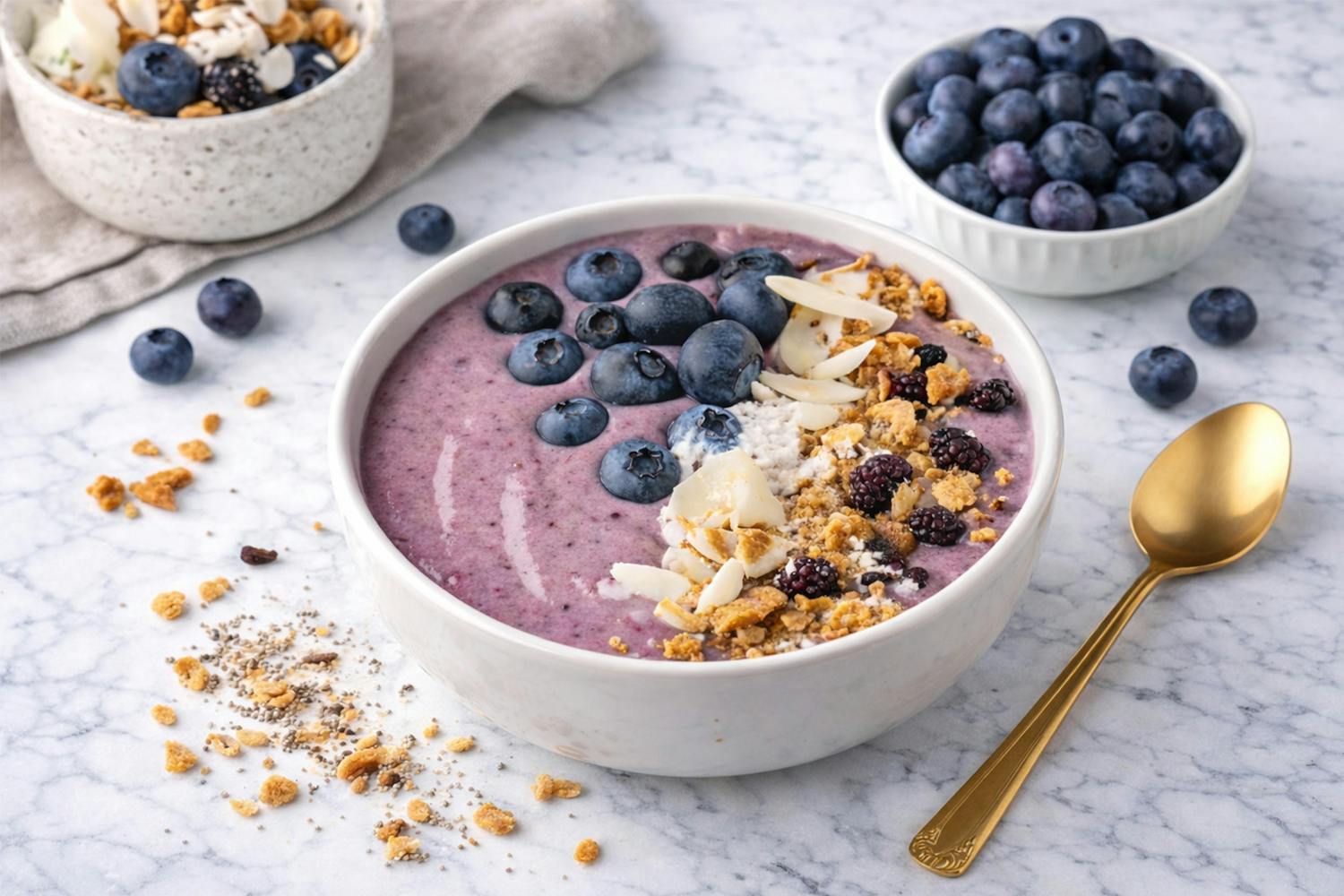
Blueberries are small, round berries widely recognised as one of the most nutrient dense fruits available. They have earned their superfood status largely thanks to their exceptionally high antioxidant content, along with their naturally sweet, slightly tart flavour that makes them a popular addition to breakfasts, smoothies, and baked goods.
Like ube, blueberries owe much of their deep blue and purple colour to anthocyanins. In fact, blueberries are often cited in nutritional research as one of the richest natural sources of these particular antioxidant compounds.
Why Blueberries Are Considered Nutritious
- They are exceptionally rich in anthocyanins, among the highest of any commonly consumed fruit
- They are a good source of vitamin C, supporting immune health
- They provide dietary fibre, contributing to digestive health
- They are low in calories relative to their nutrient density, making them a popular choice for balanced diets
Ube vs Blueberries: Comparing Nutritional Value 🔍
1. Antioxidant Content
Both ube and blueberries owe their vibrant colour to anthocyanins, but blueberries are generally recognised as having a particularly high concentration of these compounds relative to their size. This is one of the key reasons blueberries have become such a widely celebrated superfood in nutritional research.
Ube also contains meaningful levels of anthocyanins, though as a starchy root vegetable rather than a berry, its overall composition is quite different. This means that while both ingredients offer valuable antioxidant benefits, blueberries tend to be more concentrated in this specific category.

2. Carbohydrates and Energy
This is where ube truly distinguishes itself. As a yam, ube is naturally rich in complex carbohydrates, making it an excellent source of sustained energy. This is one of the reasons ube has traditionally been valued as a nourishing, filling food in Filipino cuisine.
Blueberries, being a fruit, contain natural sugars and a much lower overall carbohydrate density compared to ube. They offer a lighter, quicker source of energy, well suited to snacking or as a topping rather than a substantial energy source.
3. Fibre Content
Both ube and blueberries contribute dietary fibre to your diet, supporting healthy digestion and helping you feel satisfied after eating. Ube's fibre content is tied to its nature as a root vegetable, while blueberries provide fibre through their skin and flesh.
The exact fibre content can vary depending on preparation and serving size, but both ingredients can be considered valuable contributors to your daily fibre intake.
4. Vitamins and Minerals
Ube offers a solid nutritional profile that includes vitamin C and potassium, both of which support everyday bodily functions, from immune health to healthy muscle and nerve activity.
Blueberries are particularly well known for their vitamin C content, along with smaller amounts of vitamin K and manganese. Their nutrient profile is well documented in nutritional research, contributing to their widespread reputation as a superfood.
5. Calorie Density
Blueberries are relatively low in calories for their volume, making them a popular choice for those looking to add nutrient density to their diet without significantly increasing calorie intake.
Ube, as a starchy root vegetable, is more calorie dense due to its higher carbohydrate content. This does not make it less nutritious, but it does mean ube is better suited as a more substantial food, while blueberries work well as a lighter, nutrient rich addition to meals and snacks.
So, Which One Is More Nutritious? 🤔
The honest answer is that both ube and blueberries offer genuine nutritional value, but in different ways. Blueberries tend to have a higher concentration of anthocyanin antioxidants relative to their size, along with a lower calorie density, making them an excellent light, nutrient dense snack. Ube, on the other hand, offers a more substantial nutritional profile, including complex carbohydrates for sustained energy, alongside its own valuable antioxidant content.
Rather than asking which ingredient is definitively more nutritious overall, it may be more helpful to consider what role each ingredient plays in your diet. If you are looking for a light, antioxidant rich snack, blueberries may be your preference. If you are looking for a more filling, energy sustaining ingredient that still offers valuable antioxidants, ube is an excellent choice.
Why Not Enjoy Both? 🌱
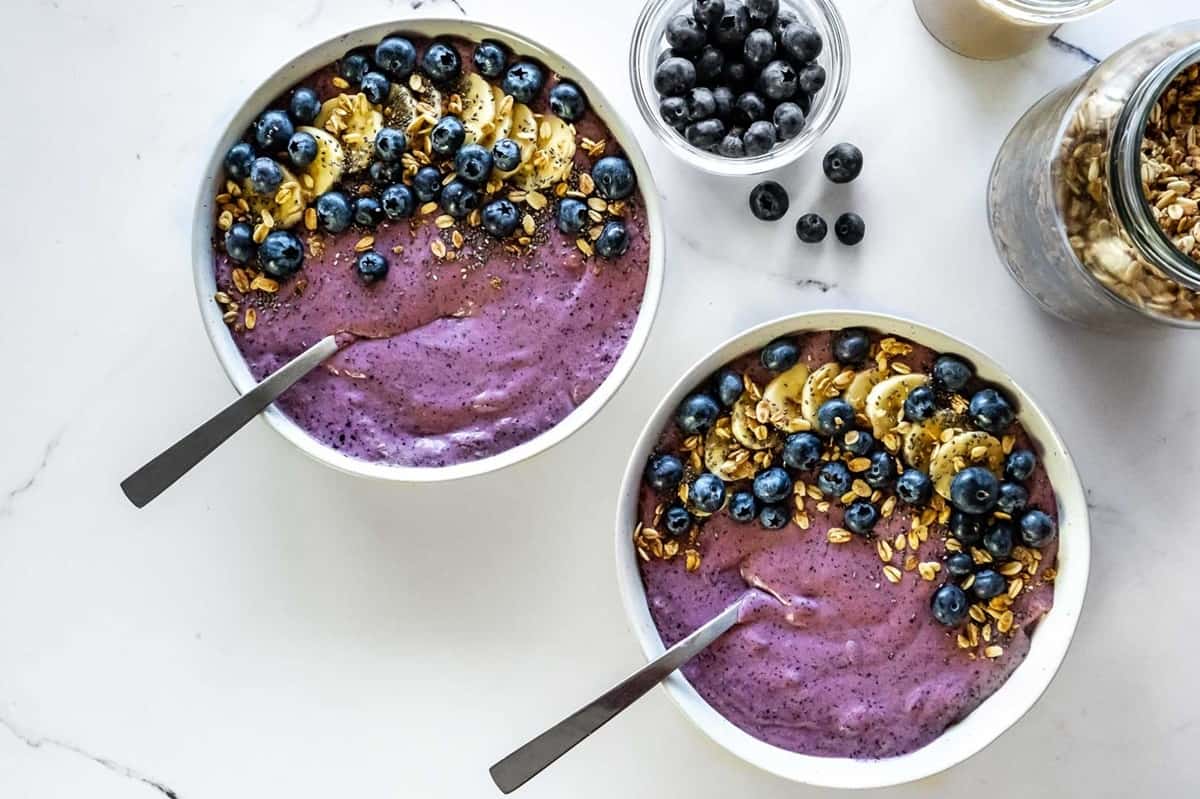
Given that ube and blueberries each bring their own distinct nutritional strengths, there is a strong case for including both in your diet rather than choosing one over the other. Many recipes, such as ube and blueberry smoothies or layered desserts, allow you to enjoy the flavours and benefits of both ingredients together.
By combining ube and blueberries, you are creating a naturally vibrant, antioxidant rich dish while also benefiting from a broader range of nutrients, from sustained energy to concentrated antioxidant support.
Final Thoughts 🍽️
Ube and blueberries are both wonderful natural ingredients, each offering genuine nutritional value in its own way. Ube provides sustained energy through complex carbohydrates, along with meaningful antioxidant and micronutrient content. Blueberries offer a lighter, highly concentrated source of antioxidants, along with valuable vitamins and fibre.
Rather than viewing them as competitors, consider these two ingredients as complementary additions to a varied, nutrient conscious diet. Whichever you choose, or however you choose to combine them, you can feel confident that you are adding genuine nutritional value and natural colour to your recipes.

Ready to bring the beautiful colour and nourishing benefits of ube into your kitchen? Explore our premium ube powder and discover just how easy it is to create nutritious, naturally coloured dishes your family and guests will love. ✨
Ready to begin your ube ice cream adventure? Start with quality ingredients, follow our proven recipe, and prepare to enjoy one of the world's most beloved frozen desserts in the comfort of your own home. Your taste buds and your guests will thank you for the effort.
👉 Order your 100% natural organic ube powder at ube.co.uk
👉 Explore our healthy recipes and join the community of ube enthusiasts!
👉 Subscribe to our newsletter to receive our ube tips and inspiration every week.


