
Ube vs Cocoa: Which Contains More Antioxidants?
Antioxidants have become one of the most talked about topics in nutrition, and for good reason. These naturally occurring compounds help protect your cells from oxidative stress, and many people now look for ways to include more antioxidant rich ingredients in their daily diet. Two ingredients that frequently come up in this conversation are ube and cocoa. Both are prized not only for their distinctive flavour and colour, but also for their potential health benefits. In this article, you will discover how ube and cocoa compare when it comes to antioxidant content, so you can make an informed choice for your recipes and your wellbeing.

Before you begin, you can now find all of our UBE products from United Kingdom by clicking here:

What Is Ube? 💜
Ube is a vibrant purple yam native to the Philippines, valued for its naturally rich violet colour and its subtly sweet, vanilla like flavour. Once dried and ground into a fine powder, ube becomes a versatile ingredient that you can use in desserts, baked goods, drinks, and even savoury dishes.

Ube's deep purple colour comes from anthocyanins, a group of natural plant pigments also found in foods such as blueberries, purple cabbage, and blackberries. Anthocyanins are among the most extensively studied antioxidant compounds, and they are largely responsible for ube's reputation as a nutrient dense ingredient.
Why Ube Is Valued for Its Antioxidant Content
- It contains anthocyanins, compounds associated with helping neutralise free radicals in the body
- Its deep purple colour is a natural indicator of its antioxidant density, as pigment intensity often correlates with antioxidant concentration
- It combines antioxidant benefits with a naturally sweet flavour, making it easy to enjoy regularly
- It retains its properties well when incorporated into baked goods, thanks to its heat stability
What Is Cocoa? 🍫
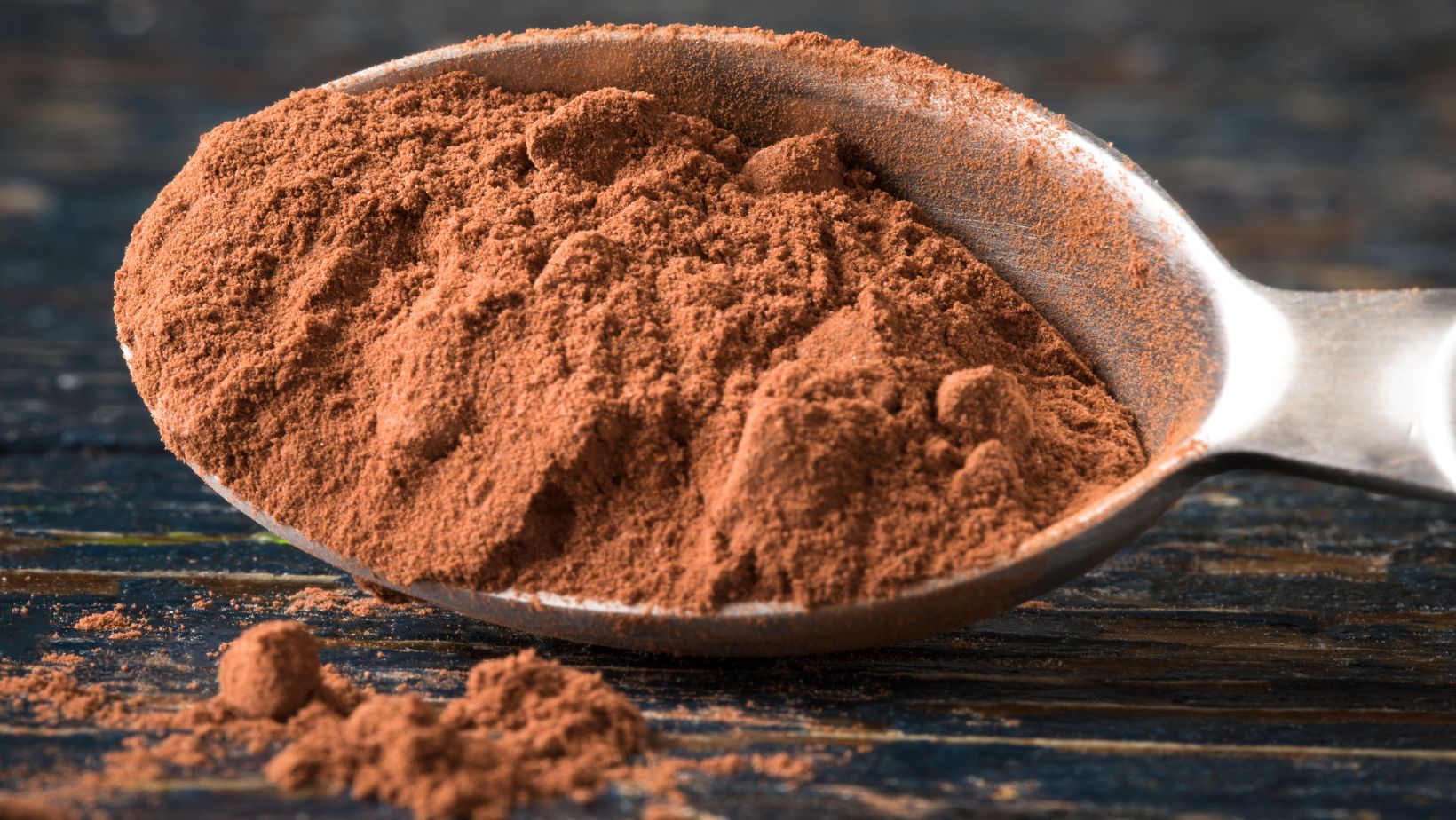
Cocoa is derived from the beans of the cacao tree, and it has been valued for thousands of years, both for its rich, distinctive flavour and its nutritional properties. Raw or minimally processed cocoa powder, in particular, is well known among nutrition enthusiasts for its antioxidant content.
Cocoa contains a group of antioxidant compounds called flavonoids, specifically a subgroup known as flavanols. These compounds have been widely studied for their potential role in supporting cardiovascular health and overall wellbeing.
Why Cocoa Is Valued for Its Antioxidant Content
- It contains flavanols, a well researched category of antioxidant compounds
- Minimally processed cocoa retains a higher concentration of these beneficial compounds compared to heavily processed chocolate products
- It offers a rich, deep flavour that pairs well with a wide range of desserts and drinks
- It has a long standing reputation, supported by decades of nutritional research

Ube vs Cocoa: Comparing Antioxidant Content 🔍
1. Types of Antioxidants
While both ube and cocoa are recognised for their antioxidant properties, they contain different types of antioxidant compounds, each with its own research background and potential benefits.
Ube's antioxidant profile is largely built around anthocyanins, the same class of pigments responsible for the vivid colours found in many purple and blue fruits and vegetables. Anthocyanins have been studied for their potential role in supporting cellular health and reducing oxidative stress.
Cocoa's antioxidant profile centres on flavanols, a subgroup of flavonoids that have been the subject of extensive research, particularly regarding heart health and blood flow. Cocoa is often cited as one of the richest natural sources of dietary flavanols.
2. Antioxidant Concentration and Processing
One important factor to consider when comparing ube and cocoa is how processing affects antioxidant content.
Ube powder, when properly dried and processed, tends to retain a significant portion of its natural anthocyanin content. Because ube is generally minimally processed compared to many cocoa products, it often preserves a higher proportion of its original antioxidant compounds.

Cocoa is a bit more variable in this regard. Raw or minimally processed cocoa powder retains a high concentration of flavanols, but many commercially available cocoa and chocolate products undergo processing methods, such as alkalisation or Dutch processing, that can significantly reduce flavanol content. This means that not all cocoa products offer the same antioxidant benefits, and the level of processing matters a great deal.
3. Flavour and Practical Use
Beyond their antioxidant content, ube and cocoa offer very different flavour experiences, which can influence how easily you incorporate them into your daily diet.
Ube has a naturally sweet, mild, vanilla like flavour that pairs well with a wide range of ingredients, making it easy to enjoy in cakes, ice creams, drinks, and even savoury dishes without needing much additional sweetening.
Cocoa has a rich, slightly bitter flavour, especially in its less processed forms. While delicious in many recipes, it often requires the addition of sweeteners or complementary ingredients to balance its natural bitterness.
4. Overall Nutritional Profile
While antioxidants are an important consideration, it is worth looking at the broader nutritional picture of each ingredient.
Ube offers, in addition to its antioxidant content:
- Complex carbohydrates for sustained energy
- Vitamin C
- Potassium
Cocoa offers, in addition to its antioxidant content:
- Iron
- Magnesium
- Fibre
Both ingredients bring valuable nutrients to the table, and the best choice may depend on which additional nutritional benefits align with your personal goals.
So, Which One Contains More Antioxidants? 🤔
The honest answer is that it depends on the specific type of antioxidant you are interested in, as well as the quality and processing method of the product you choose. Cocoa, particularly in its raw or minimally processed form, is widely recognised as one of the richest natural sources of flavanols, a category of antioxidants that has been extensively studied for its role in cardiovascular health.
Ube, on the other hand, is an excellent source of anthocyanins, a different but equally valuable category of antioxidants associated with cellular protection and overall wellness.
Rather than asking which ingredient is definitively higher in antioxidants overall, it may be more useful to consider which type of antioxidant compound you are hoping to include in your diet, along with the flavour and culinary application that best suits your needs.
Why Not Enjoy Both? 🌱
Given that ube and cocoa offer different types of antioxidants, along with distinct flavours and culinary uses, there is a strong case for incorporating both into your diet rather than choosing one over the other. Many recipes, such as ube and chocolate marble cakes or layered desserts, allow you to enjoy the benefits and flavours of both ingredients in a single creation.
By combining ube and cocoa, you are not only creating a visually striking dish with contrasting purple and brown tones, but you are also broadening the range of antioxidant compounds in your diet, from anthocyanins to flavanols.
Final Thoughts 🍽️
Ube and cocoa are both remarkable natural ingredients, each offering a distinct type of antioxidant along with unique flavour and colour qualities. Ube provides a naturally sweet, mild flavour paired with anthocyanin rich purple pigments, while cocoa offers a rich, deep flavour paired with well researched flavanol compounds.

Rather than viewing them as competitors, consider these two ingredients as complementary additions to a varied, antioxidant conscious diet. Whichever you choose, or however you choose to combine them, you can feel confident that you are adding genuine nutritional value to your recipes, alongside beautiful colour and delicious flavour.
Ready to bring the beautiful colour and antioxidant rich benefits of ube into your kitchen? Explore our premium ube powder and discover just how easy it is to create nutritious, naturally coloured dishes your family and guests will love. ✨
Ready to begin your ube ice cream adventure? Start with quality ingredients, follow our proven recipe, and prepare to enjoy one of the world's most beloved frozen desserts in the comfort of your own home. Your taste buds and your guests will thank you for the effort.
👉 Order your 100% natural organic ube powder at ube.co.uk
👉 Explore our healthy recipes and join the community of ube enthusiasts!
👉 Subscribe to our newsletter to receive our ube tips and inspiration every week.


