
Ube vs Pandan: Which Flavour Should You Choose?
Ube and pandan are two of the most beloved ingredients in Filipino and Southeast Asian cuisine, each bringing its own distinctive colour, aroma, and flavour to the table. Both have found their way into desserts, drinks, and baked goods around the world, and both offer a natural alternative to artificial flavourings and colourings. But when it comes to choosing between them for your next recipe, how do you know which one is right for you? In this article, you will discover the key differences between ube and pandan, so you can select the ingredient that best suits your taste, your recipe, and your creative vision.
Before you begin, you can now find all of our UBE products from United Kingdom by clicking here:

What Is Ube? 💜
Ube is a vibrant purple yam native to the Philippines, cherished for its naturally rich violet colour and its subtly sweet, vanilla like flavour. Once dried and ground into a fine powder, ube becomes a wonderfully versatile ingredient that you can use across desserts, baked goods, drinks, and even savoury dishes.

Ube's distinctive colour comes from anthocyanins, natural plant pigments also found in foods such as blueberries and purple cabbage. These compounds are well known for their antioxidant properties, meaning that ube brings genuine nutritional value alongside its unmistakable taste and colour.
Why Ube Stands Out
- It has a naturally sweet, nutty, vanilla like flavour that pairs beautifully with dairy, coconut, and other dessert ingredients
- It delivers a deep, eye catching purple colour without artificial additives
- It blends smoothly into batters, doughs, and creams
- It remains stable when exposed to heat, making it ideal for baking
What Is Pandan? 🌿
Pandan is a tropical plant whose long, fragrant leaves are widely used throughout Southeast Asian cooking, particularly in Filipino, Thai, Malaysian, and Indonesian cuisine. Pandan leaves are often described as having a flavour similar to vanilla combined with a subtle grassy, floral, and slightly nutty aroma, sometimes compared to jasmine rice.
Pandan is typically used in the form of extract, paste, or powder, and it lends recipes a naturally soft green colour along with its distinctive fragrance. It is a staple in many traditional desserts, including cakes, custards, and sweet rice dishes.
Why Pandan Stands Out
- It offers a unique, fragrant flavour that is difficult to replicate with any other ingredient
- It delivers a naturally soft green colour, perfect for recipes that call for a fresh, garden like tone
- It pairs particularly well with coconut, rice, and tropical dessert flavours
- It is deeply rooted in traditional Southeast Asian cuisine, offering an authentic culinary experience
Ube vs Pandan: Key Differences to Consider 🔍
1. Flavour Profile
This is where ube and pandan differ most significantly. Ube offers a smooth, sweet, and creamy flavour, often compared to a combination of vanilla and coconut with a subtle nutty undertone. It is a flavour that feels indulgent and comforting, making it especially popular in cakes, ice creams, and pastries.
Pandan, by contrast, offers a more herbaceous, floral, and slightly grassy flavour. While it also carries subtle vanilla like notes, it is generally considered lighter and more fragrant than ube, with a freshness that works particularly well in custards, jellies, and traditional rice based desserts.
If you are looking for a rich, dessert forward flavour, ube is likely to be your preference. If you are drawn to something lighter, more aromatic, and distinctly tropical, pandan may suit your palate better.
2. Colour
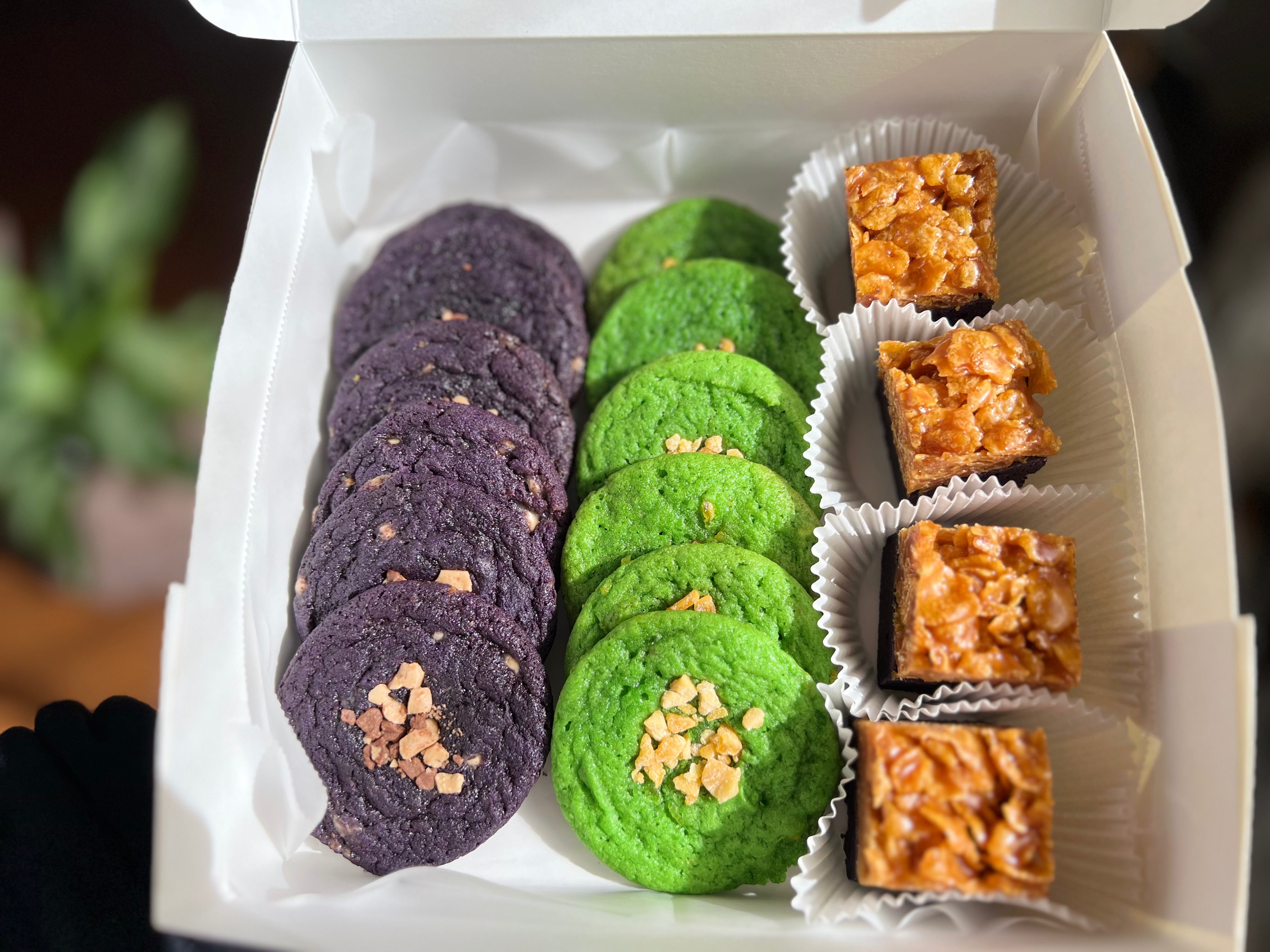
Both ingredients are prized not only for their flavour but also for the natural colour they bring to recipes. Ube produces a deep purple to lavender hue, while pandan produces a soft, fresh green colour.
If your recipe calls for a purple theme, such as ube flavoured cakes or pastries, ube is the clear choice. If you are aiming for a green colour palette, such as pandan flavoured chiffon cake or coconut jelly, pandan will deliver the result you are looking for.

3. Culinary Origins and Traditional Uses
Ube has long been a beloved ingredient in Filipino desserts, most famously in ube halaya, a sweet purple yam jam, as well as in cakes, ice creams, and pastries around the world.
Pandan holds a similarly cherished place across a broader range of Southeast Asian cuisines, appearing in dishes from the Philippines, Thailand, Malaysia, Indonesia, and Vietnam. It is often used not just in desserts but also in savoury cooking, where the leaves are used to wrap rice or meat before cooking to impart their signature fragrance.
4. Versatility in Recipes
Ube's smooth, sweet flavour makes it particularly versatile in Western style baking, blending easily into cakes, cookies, ice creams, and even lattes or milkshakes.
Pandan is equally versatile, though it tends to shine most in recipes rooted in Southeast Asian tradition, such as custards, sticky rice desserts, and coconut based sweets. It also pairs beautifully with modern desserts when a lighter, more fragrant flavour is desired.
5. Format and Ease of Use
Ube is commonly available as a powder, making it easy to measure, store, and incorporate into a wide range of recipes with consistent results.
Pandan is available in several forms, including fresh leaves, extract, paste, and powder. While fresh pandan leaves offer the most authentic flavour, extract and powder forms provide a convenient and consistent alternative for home bakers and chefs who may not have easy access to fresh leaves.
Which One Should You Choose? 🤔
The right choice ultimately depends on the flavour experience and colour palette you are hoping to achieve.
You should choose ube if:
- You want a sweet, creamy, vanilla like flavour
- You are aiming for a purple or lavender colour
- You are creating Western style desserts such as cakes, ice creams, or pastries
- You want an ingredient that performs consistently across a wide range of recipes
You should choose pandan if:
- You want a light, fragrant, floral flavour
- You are aiming for a fresh green colour
- You are creating traditional Southeast Asian desserts or dishes
- You enjoy pairing your recipes with coconut and rice based ingredients
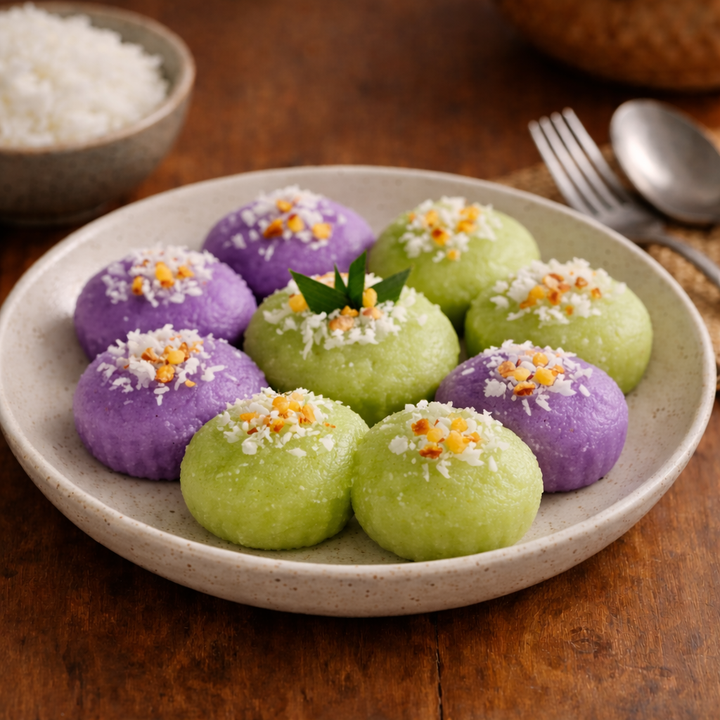
Many chefs and home bakers keep both ingredients in their pantry, using each one to bring its own distinct character to different recipes. Together, ube and pandan allow you to create a beautiful range of flavours and colours rooted in authentic Filipino and Southeast Asian culinary traditions.
Why Choose Natural Flavours Over Artificial Alternatives? 🌱
Whether you choose ube or pandan, opting for a natural, plant based ingredient brings genuine advantages over artificial flavourings and colourings. Both allow you to avoid synthetic additives that many consumers now prefer to limit in their diets, while also offering authentic flavour experiences that cannot be replicated by artificial substitutes.
By incorporating ube or pandan into your recipes, you are embracing a clean label approach to cooking and baking, while still achieving beautifully distinctive results that will delight anyone who tastes your creations.
Final Thoughts 🍽️
Ube and pandan each bring something truly special to your kitchen. Ube offers a rich, sweet, vanilla like flavour paired with a stunning purple colour, making it a favourite for cakes, pastries, and desserts around the world. Pandan offers a light, fragrant, floral flavour paired with a fresh green colour, deeply rooted in traditional Southeast Asian cuisine.
Rather than viewing them as competitors, consider these two ingredients as complementary tools that allow you to explore the rich and diverse flavours of Filipino and Southeast Asian cooking. Whichever you choose, you can feel confident that you are bringing authentic, natural flavour and colour to your dishes.

Ready to bring the beautiful flavour and colour of ube into your kitchen? Explore our premium ube powder and discover just how easy it is to create delicious, naturally coloured dishes your family and guests will love. ✨
Ready to begin your ube ice cream adventure? Start with quality ingredients, follow our proven recipe, and prepare to enjoy one of the world's most beloved frozen desserts in the comfort of your own home. Your taste buds and your guests will thank you for the effort.
👉 Order your 100% natural organic ube powder at ube.co.uk
👉 Explore our healthy recipes and join the community of ube enthusiasts!
👉 Subscribe to our newsletter to receive our ube tips and inspiration every week.


